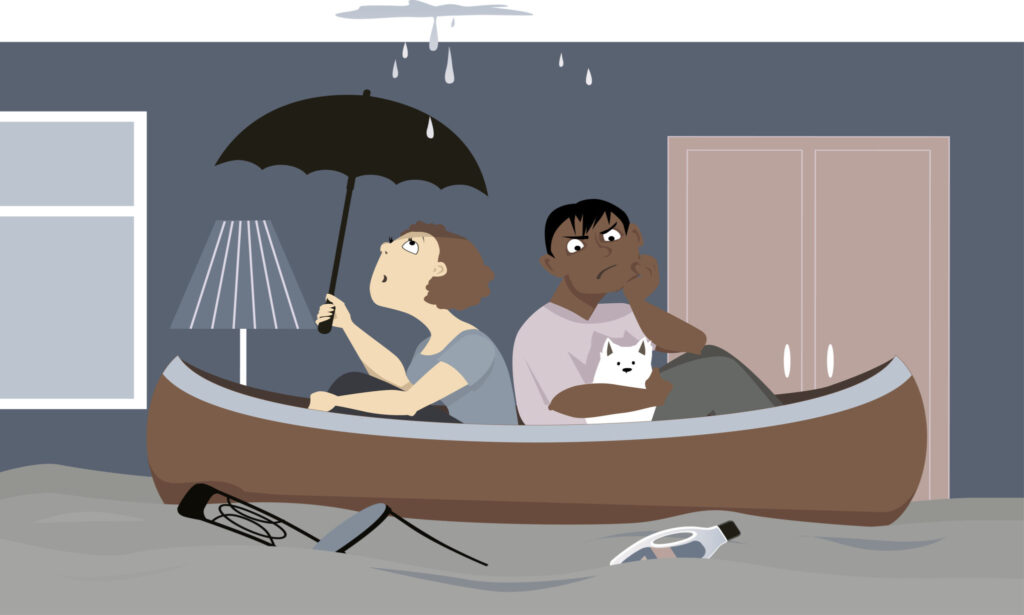
Arizona summers aren’t for the faint of heart. They can easily intimidate with blistering heat, raised energy bills, and, of course, monsoon season.
Arizona monsoon season typically lasts from mid-June to late-September. It’s characterized by wind, dust, frequent haboobs and steady rainfall.
According to AZCentral:
The wettest monsoon [season] was in 1984, when a total of 9.56 inches of rain fell. The latest season to make the “Top 10 Wettest” list was in 2014, which came in seventh at 6.34 inches. The driest monsoon on record was in 1924 — only 0.35 of an inch of rain fell.
Arizona’s average rainfall during monsoon season to date is 2.71 inches.
This doesn’t seem like much, but it is substantial considering this rainfall arrives abruptly and takes place during only a few months.
What’s more, monsoon season can wreak havoc on Arizona homes and businesses. As an Arizona-based company, we know firsthand the importance of learning how to prepare for a monsoon. With proper preparation, you can lower your chances of needing home roof repairs or even seeking out a costly tree removal service.
Here are 5 tips to help you live your best monsoon season ever and save money in the long run!

1. Inspect Your Roof
Because no one has ever enjoyed performing an emergency roof repair!
Check your roof thoroughly to ensure it’s ready to bear the brunt of the monsoon’s fury. Patch up any discernible cracks or holes, and don’t hesitate to hire a licensed and reputable roof repair company near you if you notice something beyond your control.
Better to handle any problem areas now at the beginning of the season and save money on home repairs in the long run.
Also, be sure to check for hidden areas where water might build up and breakthrough. Again, when in doubt, we recommend contacting a roof inspection company near you to assist.
With their expertise, they’ll help identify any issues with drainage, attic conditions and other structural deformations.
2. Consider Flood Insurance
According to the Federal Emergency Management Agency, flooding is the nation’s most common natural disaster. However, it’s rarely covered under your home insurance or renters insurance policies.
Although Arizona is at a lower risk of flooding than states like Louisiana or Texas, increased rainfalls associated with monsoon season can elevate this risk quickly.
Getting a flood insurance quote is a great, proactive way to stay one step ahead of the game so you can protect what’s most important to you – maintaining a safe and dry home amid all the chaos.
For more information on how to purchase flood insurance or to view a flood insurance rate map, visit FEMA’s website.
3. Prep Plants and Trees
If you have big trees, trim any unwieldy branches that could potentially snap off and damage your home or property. This limits wind resistance so that strong monsoon winds can more easily pass through.
If a tree is uprooted during high winds and its roots become exposed, this can cause unwarranted tree removal costs. The average cost of tree removal varies by region, but treeremoval.com puts it at roughly $500 – $1,000.
Likewise, be sure to stake down any smaller or younger trees so your plants aren’t impacted too harshly by the strong wind and rain. Plants do love their water, but even they have limits.
4. Protect Your Car (And Yourself)
If you’re overwhelmed by home concerns thus far, it’s easy to overlook the need to prepare your car for monsoon season.
You’ll likely drive in the rain quite a bit over the coming months, so start with a full exterior checkup. It’s important to check tire tread, tire pressure, install new windshield wipers and washers (if needed), check brake pads, headlights and electricals.
If possible, It’s best to park in a garage rather than the street or driveway during heavier rains and wind. This keeps unruly water and dust – which can damage electronics – at bay.
The bad news: you may need to clean out the garage first.
The good news: you now have a perfect excuse to sell those dusty skis you’ve never used.
5. Check Your Home’s Drainage
Monsoon season is the perfect time to test your home’s drainage systems, as heavy rains only compound problems that arise in normal weather patterns.
Pay special attention to your yard. If your yard slopes toward your home and you notice water buildup, consider hiring a landscaper as soon as possible to help redirect the flow of water. This alone could protect your home from flooding.
Check your gutters to ensure they’re flowing smoothly as well. High winds bring plenty of yard debris, which could end up in your gutter and clog it quickly. If clogged, excess rain-flow can jeopardize your home’s foundation.
Plus, roof and gutter repair are often a package deal, so have your local roof repair company check the gutters during their visit if you decide to go that route.
Hopefully, you found these tips and tricks useful as you prepare yourself and your home for monsoon season. But what if you want to sell your house during this time?
The unpredictable weather patterns outlined above can cause delays with home stagings, showings, boosting + maintaining curb appeal, and coordinating schedules and commutes between you and your buyer.
BONUS TIP: save time, skip the stress, and request an offer from us. It’s free to request an offer, and there are absolutely no strings attached.
If the offer doesn’t work for you, simply archive it, and move on. But, if you love it, pick your closing date, and plan your next big move – whatever storm you may find yourself in!