
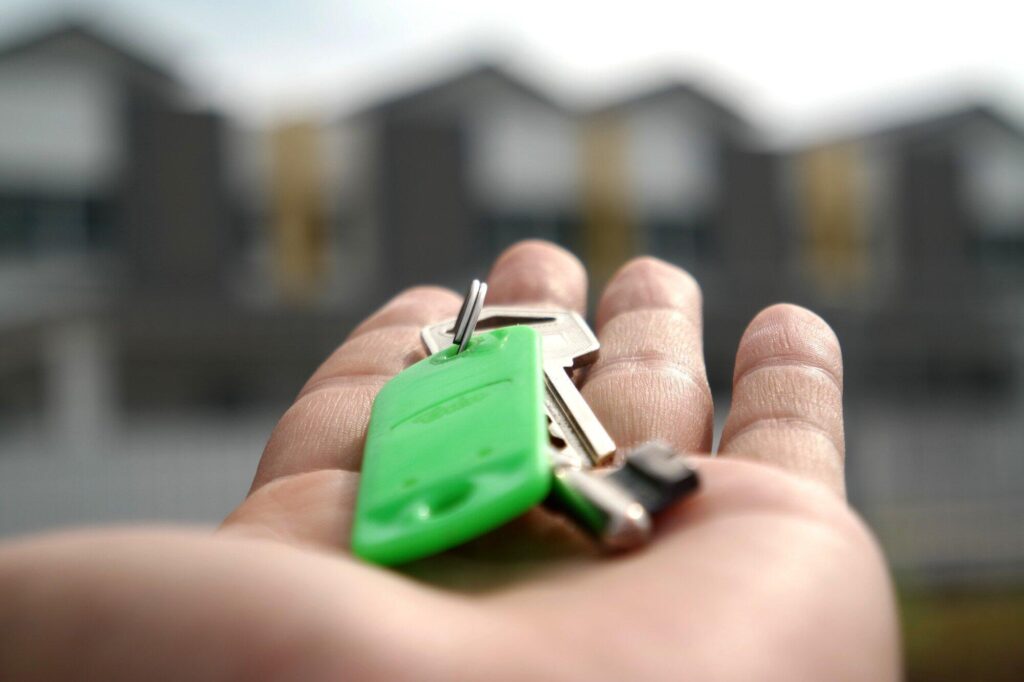
Does this sound familiar? You see a “For Sale” sign in front of your dream house. You call the listing agent, only to find out that your down payment isn’t the only expense needed to buy a house in 2025, and you don’t have the necessary funds to make your dream of homeownership a reality.
Your dream home suddenly becomes unattainable.
More than ever, it’s essential to prepare for your next real estate purchase well in advance, taking into account rising prices, complex requirements, and the full range of expenses associated with buying a home. Closing on a house is more than numbers on a page; it’s a mindset, timing the market correctly, and understanding that the amount of money you need to purchase a home in 2025 isn’t a fixed price.
This begs the question: How much money do you need to buy a house?
The answer looks different for everyone. It’s variable and depends on multiple factors that every prospective homeowner should be aware of.
Fortunately, this helpful guide walks you through saving for a home, extraneous expenses, and what to expect when buying a house in 2025, so you can enter into homeownership prepared in more ways than one.
Average Home Prices in 2025
In the United States, the average home value is $416,900 as of the first quarter of 2025, according to Motley Fool Money. Additionally, the average home sale price is $503,800.
There’s more to consider, such as the following:
More Than the Sticker Price
Keep in mind that the purchase price is only part of the price tag. You’ll need to factor in interest rates, which are currently 6.53% for a 30-year fixed mortgage and 5.69% for a 15-year fixed mortgage (Yahoo Finance).
This means that on a $500,000 house with 20% down ($100,000), a 30-year mortgage payment — excluding taxes, HOA fees, and other expenses — will be $2,536.17 per month.
If your taxes are $6,000 a year, you can tack another $500 onto your monthly payment. Suppose you’re not comfortable paying over $3,000 a month just for a house, excluding utilities and home maintenance. In that case, you’ll need to look for more affordable homes or consider a larger down payment.
What About the 28% Rule?
You may or may not be aware of the 28% rule in real estate (Chase). At its core, the 28% mortgage rule explains that your mortgage payment should only account for a maximum of 28% of your monthly gross income. This includes the:
- Principal
- Interest
- Taxes
- HOA fees
- Insurance
Are you unsure of your price tag? Take your monthly income and multiply it by 0.28.
If, for example, your gross income is $5,000 a month, then your monthly mortgage payment — taxes and all — should be no more than $1,400.
Figure Out Why You Want to Buy a House
Now that you understand a few basic rules of purchasing real estate, it’s essential to evaluate what you’re looking for in a home. Ask yourself the following questions:
- Are you looking for stability?
- Is this a family home?
- Do you want to invest in real estate?
- Are you tired of renting?
The reason you’re purchasing a home determines what you can afford — and what you should spend.
Your budget and timing are reflected in the reasons why you want to purchase a home, as well as the type of house you plan to buy. You might even find that the word “affordable” holds new meaning when you’re purchasing a home for yourself versus a house for a spouse and children.
Focus on Savings
You don’t always need a substantial down payment to buy a home. Depending on your lender, you may only need a 3% down payment.
If you’re a Veteran, you can secure a loan with 0% down. Your primary consideration would be purchasing a house that stays within the 28% rule, if not less.
Keep in mind that you’ll need Private Mortgage Insurance (PMI) if you put down less than 20% of the home’s value. Over time, your monthly PMI payment will be eliminated once your mortgage balance reaches a specific amount.
This is why you should save for a home well in advance, as other upfront costs affect what you’ll need to save.
Here are some expenses to consider while saving for a home:
- Your downpayment, which varies based on the type of loan you have
- Extra funds for closing costs
- Additional savings for expenses after you close, especially if your home needs work or something breaks unexpectedly
Typically, closing costs for home buyers with a mortgage range between 2% and 5% of the loan amount, according to Bankrate. If you purchase a $500,000 home, you’ll need between $10,000 and $25,000 just in closing costs. Fortunately, you can most likely factor closing costs into your loan.
Please note that this will result in increased monthly payments.
Understanding Closing Costs
Closing costs can quickly increase, depending on the price of your home, but do you know what they are? Closing costs are a significant amount of money you pay in addition to your down payment. They include the following:
- Lender Fees
- Title insurance
- Appraisals
- Paperwork
- Escrow accounts
- Prepaid taxes
Individually, these numbers seem doable, but they quickly add up. They also vary wildly by:
- State
- Loan type
- Lender
There are instances where you can shop around for some of these costs, but at other times, they’re fixed. The best way to prepare is to budget for these expenses in advance.
Income Isn’t the Only Important Factor
Prospective homebuyers should understand that income isn’t the sole factor in buying — and affording — a house. You need to demonstrate that you can handle your mortgage payments without overextending your financial capabilities.
As a rule of thumb, homeowners can expect to pay between $1,400 – $2,300 annually on home maintenance, according to Homekeep.
You might be able to swing your mortgage, but if your roof needs replacing, are you prepared?
Lenders also focus on debt-to-income ratios. This means they want to know what percentage of your income goes toward paying off debt and what’s left over to pay on a mortgage. Even if a lender approves you for a particular mortgage, you need to focus on a payment that matches your lifestyle and other expenses.
Don’t forget to factor in:
- Car payments
- Car insurance
- Childcare
- Food shopping
- Pets
- Activities
- Other miscellaneous expenses
Just because you’re approved for a specific mortgage doesn’t mean you should spend it, especially if you’re saving for college or retirement or have a home in need of upgrades.
Track all expenses and create a budget that keeps your mortgage well within your means of affordability. Yes, income matters, but the number you’re comfortable paying is what’s most important, especially if it’s less than what you’re approved for. Ultimately, being comfortable with your finances is crucial.
What If You’re Self-Employed?
Freelancers, business owners, and gig workers have some extra homework before purchasing a home. The monkey wrench is that their salaries aren’t typically fixed, and lenders want to see a track record of work, along with consistent proof of income. At the very least, lenders want to see that your income is at least stable enough to manage a mortgage.
This is why you want detail-oriented books that demonstrate your income.
Always pay yourself regularly. Track your expenses accurately and precisely. Additionally, before applying for a mortgage, try not to make any significant changes, as these can affect whether you’ll be approved and how much you’ll be approved for.
If you have a good accountant you trust, defer to their judgment and maintain close contact with them throughout the home buying process.
Credit Isn’t the Only Thing That Matters
You don’t need perfect credit to buy a house. However, the higher your credit score, the better the odds of securing a lower mortgage rate.
Fidelity explains that, on average, a credit score of 620 or higher helps homebuyers qualify for conventional mortgages. Keep in mind that it depends on what lender you use, so credit is helpful, but it isn’t an automatic disqualifier.
For example, if you qualify for a Federal Housing Administration (FHA) loan, you may be approved with a credit score as low as 500 (Investopedia).
The government backs FHA loans. The lender you use, however, must be approved and supported by the agency.
FHA loans are ideal for individuals with a low credit score and a small down payment. You may even be able to secure a grant or down payment assistance programs to help with your down payment.
Ideally, a good credit score significantly helps with purchasing a home, but there are workarounds available if you have a low credit rating. You may need to work with a specialized lender or be strategic in timing your home purchase.
You can help increase your credit score by:
- Paying bills on time
- Not opening a lot of new accounts
- Reducing your balances, if possible
Additionally, request a copy of your credit report so you can see where you stand.
Look for Hidden Costs
Unfortunately, prospective homebuyers find themselves inundated with hidden costs once they sign on the dotted line. Instead, come prepared with savings to help offset these expenses.
One expense is movers. The price of a moving company varies depending on where you’re moving to and the number of items you need transported. If you don’t hire movers, you’ll need to rent a truck, which is another expense.
Next, your new home will come with inspection fees. If you have a septic tank, you can tack on another inspection cost.
Does your new house require any DIY repairs? Your home inspector may miss a few issues, or they may appear after you move in.
These could be minor repairs or something more significant. This includes appliances if you transform your kitchen. Additionally, you may need to purchase new appliances if your home doesn’t come equipped with them.
Even if you don’t need big-ticket items like furniture and appliances, you’ll likely need new curtains or an entryway rug. These might seem like small purchases, but they quickly add up. If you’re part of an HOA, you’ll pay an entry fee, in addition to your monthly or annual payment.
Homeownership isn’t a one-time purchase price. It’s expenses and surprises that require an outlay of cash, so have savings ready to go when you look to look for your next home.
Budget Before You Move In
Now that you understand some of the expenses associated with buying a home, you can prepare in advance.
Create a spreadsheet and make a list of possible expenses. Start by contacting a moving company and requesting estimates. If you can move your items yourself, price out a U-Haul.
Next, consider utilities. They often charge an activation fee or a transfer fee.
Some may even require deposits if your credit isn’t the best. If you need the internet immediately upon moving in, you’ll need to schedule an installation weeks in advance and pay a deposit.
Are you considering installing a home security system? If so, they may also require deposits in advance and schedule you weeks before your move-in date, so be sure to factor that into your planning as well.
You’ll also need cleaning supplies or to hire a company to tidy up before you move. The same applies to pest control, particularly in cases involving issues such as termites.
Also, don’t forget about locks. Many new homeowners opt to have the locks replaced or, at the very least, rekeyed for peace of mind. This all adds up and should be part of your savings budget.
How Much Money Do You Need to Buy a House?
It depends.
The cost of your home, your credit score, closing costs, and any additional fees — such as HOA fees and utilities — all affect how much cash you need to save. However, to answer the question, “How much money do you need to buy a house?” you can start by creating a budget of possible expenses and saving accordingly.
If you’re short on a down payment or have low credit, you can purchase a home with FHA and VA loans, or even take advantage of down payment grants.
Ready to skip the stress of buying a home? Offerpad empowers you to buy a house comfortably with real human support guiding you every step of the way. If you want to take control and leave the chaos behind, search the Offerpad markets today and experience the ease of real estate without the hassle.